Quick answer
What is laser eye surgery?
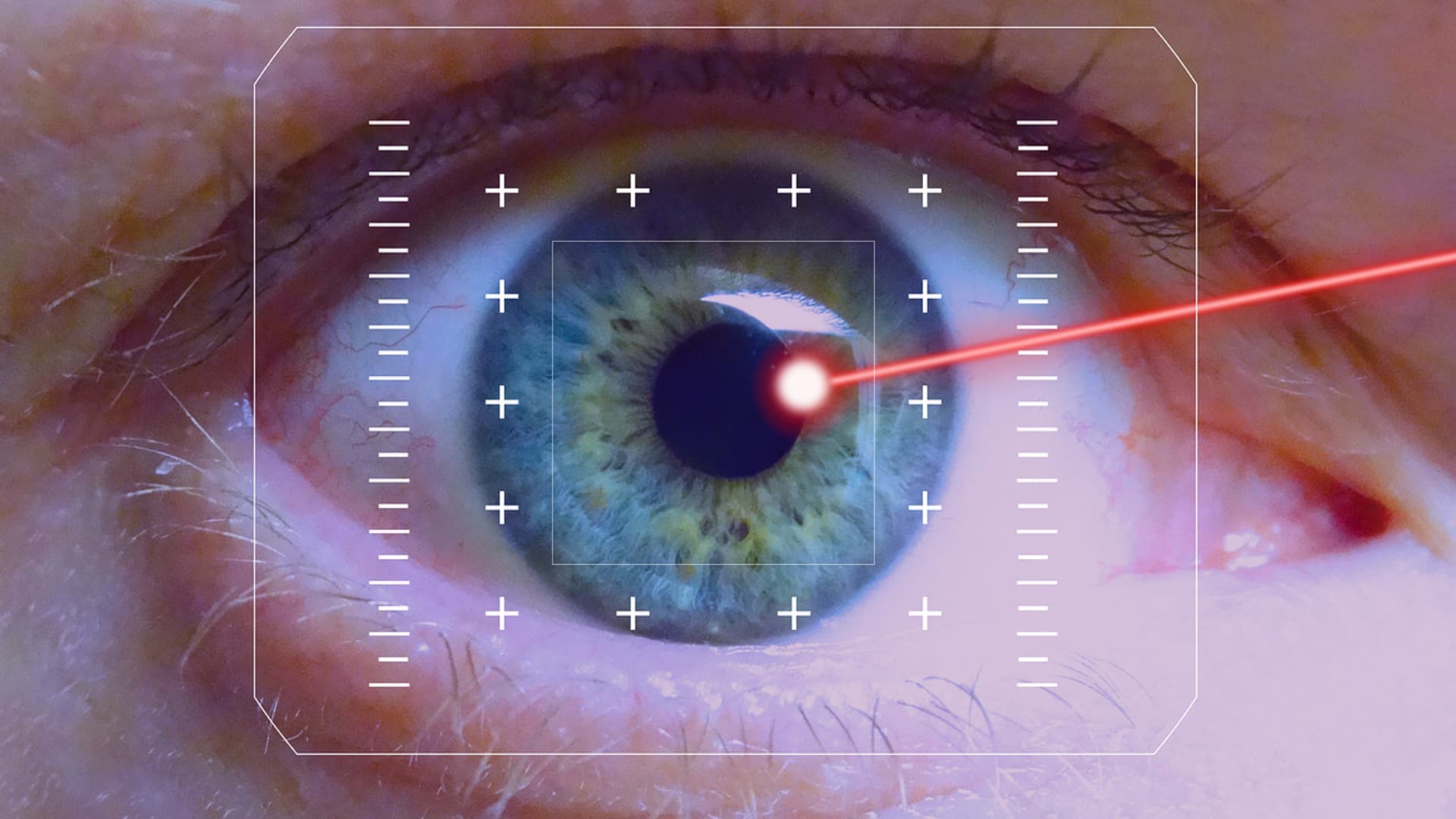
Laser eye surgery, such as LASIK, reshapes the cornea, the clear front of the eye, to correct short-sightedness, long-sightedness or astigmatism and reduce the need for glasses or contact lenses. Laser eye surgery in Turkey usually takes under 30 minutes for both eyes, under numbing eye drops, as a day case, with about 3–4 days in Istanbul.
Laser Eye Surgery at a glance
- Procedure time
- Usually under 30 min, both eyes
- Anaesthesia
- Numbing eye drops
- Hospital stay
- None (day case)
- Time in Istanbul
- About 3–4 days
- Back to work
- LASIK often after 1–3 days
- Price
- Written quote after review
Laser Eye Surgery in Istanbul: overview
Laser eye surgery reshapes the cornea so that light focuses more clearly on the back of the eye, correcting short-sightedness, long-sightedness and astigmatism. Not everyone is suitable, so careful screening matters more than the laser itself. For laser eye surgery in Turkey, Med World Türkiye coordinates your treatment with independent, licensed partner eye surgeons (ophthalmologists) who work in licensed partner eye clinics and hospitals in Istanbul. Before you travel, a partner specialist reviews your glasses or contact lens prescription, its history and any previous eye records, and tells you whether laser treatment is likely to be possible or whether a lens option may suit you better.
Laser eye surgery is quick, but your eyes need time to heal. Gritty, watery or sore eyes are common for the first day or two, and vision can fluctuate for several weeks, especially after surface treatments. Risks include dry eye, glare, halos around lights at night, under- or over-correction that may need further treatment and, rarely, infection or problems with the corneal flap. Laser surgery does not prevent age-related reading difficulty or other eye conditions later in life. We organise the surrounding logistics – airport transfers, a hotel near the hospital, an interpreter and remote aftercare follow-up – so you can focus on recovery.
Planning Laser Eye Surgery in Istanbul

Which Laser Eye Surgery techniques are available?
LASIK
In LASIK, the surgeon creates a thin flap in the cornea with a laser, lifts it, reshapes the tissue underneath with a second laser and lays the flap back. Vision usually recovers within a day or two and discomfort is usually mild. It needs a cornea thick enough to leave a safe amount of tissue, and it may be less suitable for contact sports or very dry eyes.
Surface laser: PRK and LASEK
Surface treatments remove or loosen the thin outer skin of the cornea instead of making a flap, then reshape the surface with the laser. There is no flap, so they can suit thinner corneas or people in contact sports. The skin takes a few days to grow back, the first days can be painful, and vision usually takes a few weeks to settle.
Small-incision lenticule extraction (SMILE)
In SMILE, a laser shapes a thin disc of tissue inside the cornea, which the surgeon removes through a small incision, without a flap. Recovery is usually similar to LASIK. It is mainly used for short-sightedness and astigmatism; it is not used for every prescription, and your surgeon explains whether it suits your eyes.
Lens options when laser is unsuitable
When the prescription is very high or the cornea is too thin, an implantable contact lens can be placed inside the eye in front of your natural lens. From middle age, refractive lens exchange replaces the natural lens with an artificial one. These are operations inside the eye with different risks, are usually done one eye at a time and need a longer stay.
Not sure which option suits you?
Send your photos, scans or reports. A partner specialist reviews them and you receive a written plan and quote before you book anything.
Why choose Med World Türkiye for Laser Eye Surgery?
Specialist review before you travel
A partner eye surgeon reviews your prescription history and eye records first and tells you whether laser treatment or a lens option is likely to suit you before you book.
Licensed partner eye clinics
Screening scans and treatment take place in licensed partner eye clinics or hospital eye departments, where the surgeon confirms suitability in person before any procedure.
Itemised written quote
The written quote from the partner hospital lists the screening, the technique for each eye, follow-up checks and eye drops before you book anything, so you can see exactly what is and is not included.
One coordinated plan and aftercare
One coordinator arranges the screening, treatment, hotel and transfers, and after you fly home passes your questions and local check-up results to the partner surgeon for follow-up.
Who is a good candidate for Laser Eye Surgery?
- Adults, usually from about 18, with short-sightedness, long-sightedness or astigmatism who want to depend less on glasses or contact lenses.
- People whose prescription has been stable for at least a year or so, as your surgeon confirms from your prescription history.
- People whose screening shows healthy eyes and a cornea of suitable thickness and shape for the chosen technique.
- People with realistic expectations who understand that reading glasses are usually still needed from middle age and that a further treatment is occasionally needed.
- Surgery is not a good idea if your prescription is still changing, you are pregnant or breastfeeding, you have keratoconus or a thin or irregular cornea, severe dry eye, uncontrolled diabetes or an active eye infection or inflammation.
Laser Eye Surgery: is it right for me?
Questions people ask us in their own words, with straight answers.
I’m 46 and have just started needing reading glasses on top of my distance glasses. Is laser eye surgery still worth it at my age?
It can be, but it depends on what you want to fix. Laser surgery corrects distance vision, but it does not stop age-related reading difficulty, so most people still need reading glasses from middle age. Some surgeons offer monovision, where one eye is set for distance and the other for near; not everyone gets used to it, and a trial with contact lenses can show whether it suits you. From middle age, refractive lens exchange may suit some people better. Send your prescription history and eye records, and a partner eye surgeon explains which options are realistic for you.
A clinic back home told me my corneas are too thin for LASIK. Would a clinic in Turkey just go ahead anyway? I don’t want to be talked into something.
It should not. The safety limits for corneal thickness and shape are the same everywhere, and a responsible surgeon will not perform LASIK on a cornea that is too thin or irregular. Surface laser such as PRK or LASEK, or an implantable contact lens, may sometimes be an option instead, and some people are not suitable for any laser treatment. Send the report and scans from your previous assessment. A partner eye surgeon reviews them, and the screening on arrival confirms suitability in person before you sign anything. You are free to say no at any stage.
My eyes are already dry from years of wearing contact lenses. Will LASIK make the dryness worse, or would another method be safer for me?
It may, at least for a while. Dry eye is common after laser eye surgery and usually eases over several months, but it can be more troublesome if your eyes are already dry, and severe dry eye can rule surgery out. The screening checks your tear film and the surface of the eye, and dryness is often treated before any procedure. Depending on the results, the surgeon may suggest a different technique, a lens option or no surgery. Describe your symptoms when you send your records, and stop wearing contact lenses before the screening for as long as your clinic advises.
I’m terrified I’ll blink or move my eye during the laser and ruin everything. How do they stop that from happening?
This is a common worry, and the procedure is designed around it. Numbing drops are used, a small holder keeps your eyelids open so you cannot blink, and you are asked to look at a target light. Modern lasers track small eye movements and stop if the eye moves too far. The laser itself takes only a short time per eye, and the surgeon talks you through each step. If you are very anxious, say so at your screening; a mild calming tablet is sometimes offered. Asking questions beforehand often makes the day itself feel much easier.
What if my vision isn’t sharp once I’m home in Mexico? Would I have to fly back to Istanbul for another treatment?
Not necessarily. Vision often fluctuates for some weeks, especially after surface treatments, so early blur does not always mean the result is off. Follow-up checks continue with a local optometrist or ophthalmologist, and your coordinator passes their results and your questions to the partner surgeon. If an under- or over-correction remains once healing has settled, a further treatment is occasionally needed, provided the cornea is still thick enough, and that would mean another trip. Ask how further treatment would be handled before you agree to surgery. Increasing pain, worsening vision, a red eye or discharge need prompt attention.
I drive for a living and a lot of it is at night. How worried should I be about halos and glare after laser eye surgery?
It is worth taking seriously. Glare and halos around lights at night are common at first and usually ease over several months, but in some people they last longer. Large pupils, higher prescriptions and dry eye can make them more likely, and the screening looks at all of these. Discuss your job with the partner surgeon, who may suggest a technique that suits your eyes better or advise against surgery. Plan time off driving after treatment, drive only once your vision meets the legal standard where you live, and avoid night driving until you feel confident.
What does a Laser Eye Surgery trip to Istanbul look like?
- 1
Before travel – Prescription & specialist review
You send your current glasses or contact lens prescription, its history and any eye records. A partner eye surgeon reviews them, and you receive a written plan and an itemised quote before you book. Your clinic tells you how long to stop wearing contact lenses before the screening.
- 2
Day 1 – Arrival & eye screening
After an airport transfer to your hotel, you have a detailed eye examination, including scans of corneal thickness and shape (topography), measurements of your prescription and a check of the retina. The surgeon confirms whether you are suitable and which technique fits before you sign the consent form.
- 3
Day 2 – Laser treatment
Both eyes are usually treated on the same day, under numbing eye drops, and the laser itself takes only a short time per eye. You go back to the hotel to rest with your eyes closed, wearing protective shields, and start antibiotic and anti-inflammatory drops.
- 4
Days 3–4 – Check-ups & flying home
The surgeon checks your eyes the day after treatment and usually again before you leave. After surface treatments, a bandage contact lens may need removing first, which can mean a few extra days. Your surgeon confirms when you are fit to fly, and you keep using lubricating drops on the flight.
What is recovery like after Laser Eye Surgery?
Recovery after laser eye surgery depends on the technique. In the first days after LASIK or SMILE, your eyes may feel gritty, watery and sensitive to light, and many people see well enough for everyday tasks within a day or two; after PRK or LASEK, the first days are usually more uncomfortable and vision is blurred until the surface heals. You use antibiotic and anti-inflammatory drops for the weeks your surgeon advises, lubricating drops often for longer, and wear eye shields at night at first. Do not rub your eyes, avoid eye make-up for about a week, and avoid swimming, saunas and dusty places for the first weeks, or until your surgeon agrees. Drive only once your vision meets the legal standard where you live. Dry eye, glare and halos at night are common at first and usually ease over several months, while vision can keep fluctuating for some weeks. Follow-up checks continue with a local optometrist or ophthalmologist. Contact the surgeon promptly about increasing pain, worsening vision, a red eye or discharge.
Laser Eye Surgery in Turkey: how much does it cost?
The price of laser eye surgery in Turkey depends mainly on the technique – LASIK, PRK or LASEK, SMILE or a lens option – whether one or both eyes are treated, and the tests needed to confirm suitability. The partner surgeon, the partner hospital, the number of follow-up checks and nights in the hotel also affect the total. Treatment in Turkey often costs less than private treatment in countries such as the US, Canada, the UK and much of Western Europe, mainly because of lower operating costs, but price should never be the only reason to choose a surgeon. With Med World Türkiye, a partner eye surgeon first reviews your prescription history and eye records; you then receive a written, itemised quote from the partner hospital before you book anything.
What your written quote itemises
- Eye surgeon fees for one or both eyes
- Pre-operative eye screening and scans
- Laser or lens procedure and theatre use
- Eye drops, eye shields and follow-up checks
- Hotel accommodation and airport transfers, if requested
- Interpreter and remote aftercare follow-up
Med World Türkiye does not publish a price list. Every price comes from a written, itemised quote issued by the partner hospital after a surgeon has reviewed your photos, scans or medical records.
Laser Eye Surgery: frequently asked questions
How much does laser eye surgery cost in Turkey?
The cost of laser eye surgery in Turkey depends on the technique (LASIK, PRK or LASEK, SMILE or a lens option), whether one or both eyes are treated, the screening tests needed, the partner surgeon and hospital, follow-up checks and nights in the hotel. The specialist review is free: you send your prescription history and any eye records, a partner eye surgeon reviews them, and you then receive a written, itemised quote from the partner hospital before you book anything.
Is laser eye surgery in Turkey safe?
Laser eye surgery in Turkey can be safe when you are carefully screened and treated by a qualified eye surgeon in a licensed eye clinic or hospital. Med World Türkiye works with licensed partner eye surgeons. Risks include dry eye, glare and halos at night, under- or over-correction that may need further treatment, flap problems after LASIK and, rarely, infection or loss of sharpness of vision. The surgeon explains these and confirms your suitability in person before you consent.
How long should I stay in Istanbul for laser eye surgery?
Plan to stay in Istanbul for about 3–4 days for laser eye surgery. This allows the eye screening on arrival, treatment the next day and a check-up the day after treatment, usually with another check before you leave. After PRK or LASEK, a bandage contact lens may need removing first, which can add a few days. Lens procedures are usually done one eye at a time and need a longer stay, so a flexible return ticket is sensible.
When can I fly home after laser eye surgery?
Flying home is usually possible after your first check-up, once your surgeon has examined your eyes and confirmed you are fit to fly. Cabin air is dry, so use lubricating drops regularly during the flight, avoid rubbing your eyes and keep your drops and eye shields in your hand luggage. After surface treatments or lens surgery, your surgeon may want to see you again before you travel, so a flexible return ticket is sensible.
Are laser eye surgery results permanent?
The corneal reshaping from laser eye surgery is permanent, and the result is usually stable once healing has settled. However, the eye keeps ageing: from middle age most people need reading glasses, and conditions such as cataract can develop later in life. A small change in prescription can also occur over time, and a further treatment is occasionally needed if the cornea is still thick enough. Your surgeon explains what to expect for your eyes.
Does laser eye surgery hurt?
Laser eye surgery is done under numbing eye drops, so you feel pressure but usually no pain during the procedure, which takes only a short time per eye. After LASIK or SMILE, the eyes often feel gritty, watery and sore for a few hours to a day. After PRK or LASEK, the first few days are usually more painful while the surface heals, and your surgeon prescribes drops and pain relief for this period.
What is the difference between LASIK, PRK/LASEK and SMILE?
LASIK creates a thin flap in the cornea before the laser reshapes the tissue underneath, and vision usually recovers within a day or two. PRK and LASEK treat the surface without a flap, which can suit thinner corneas or contact sports, but healing is slower and more uncomfortable. SMILE removes a small disc of tissue through a small incision, without a flap, and suits mainly short-sightedness. Your surgeon recommends the technique after your eye screening.
How do I choose an eye clinic in Turkey I can trust for laser eye surgery?
Choose an ophthalmologist who performs refractive surgery regularly, and a clinic that does a full assessment before confirming you as a candidate, including corneal thickness and corneal mapping. A careful clinic tells you honestly if LASIK, PRK, SMILE or a lens procedure suits your eyes better, or if laser surgery is not right for you at all. Ask who performs the operation and who sees you at the check-up before you fly. Through Med World Türkiye, your written plan names the partner surgeon and clinic and the technique proposed.
Related procedures
Part of our specialty: Eye Health & Ophthalmology
This page provides general information and is not medical advice. Whether a procedure is right for you, which technique is used and what results to expect can only be decided after a consultation with a qualified specialist. All surgery carries risks, which your surgeon will explain before you consent.