De prijzen in dit artikel zijn algemene marktbandbreedtes op het moment van schrijven (4 januari 2026), geen offertes. Uw prijs wordt vastgelegd in een schriftelijke, gespecificeerde offerte van het partnerziekenhuis nadat een specialist uw situatie heeft beoordeeld.
De term ‘Hollywood Smile’ betekende vroeger maar één ding: een rij stralend witte, volmaakt identieke facings (veneers). Tegenwoordig ziet het meest verfijnde cosmetische tandheelkundige werk — en het werk waar patiënten steeds vaker om vragen — er natuurlijk uit, respecteert het de gezichtsverhoudingen van de patiënt en wordt het digitaal ontworpen voordat er ook maar één tand wordt aangeraakt.
Dit is de gids voor 2026: wat een Hollywood Smile werkelijk inhoudt, welke materialen bijdragen aan goede resultaten op lange termijn en hoe u ervoor zorgt dat uw smile makeover mooi ouder wordt, in plaats van over vijf jaar te verraden hoe hij tot stand kwam.
Wat ‘Hollywood Smile’ in 2026 betekent
Een moderne smile makeover is opgebouwd uit drie lagen:
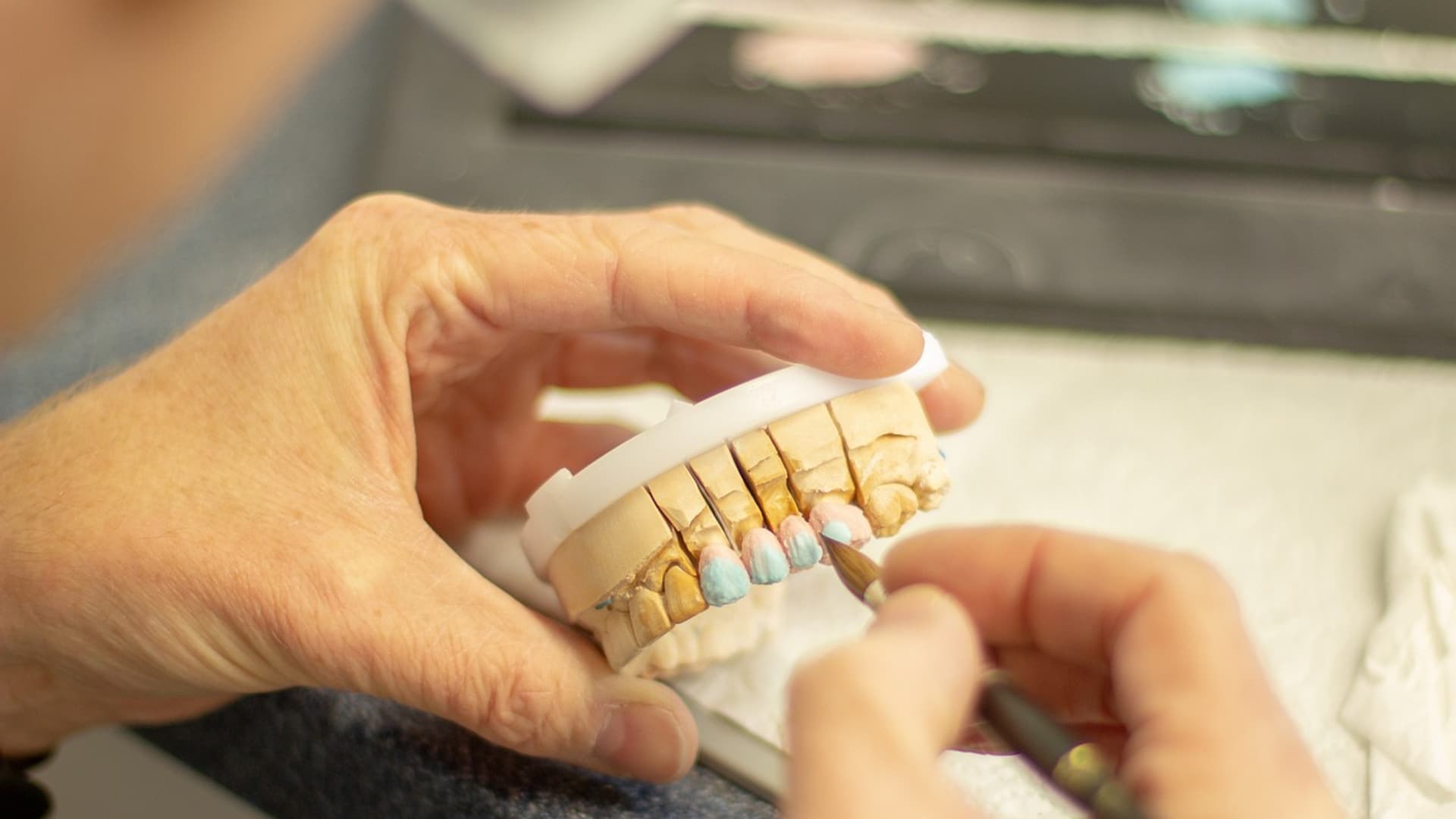
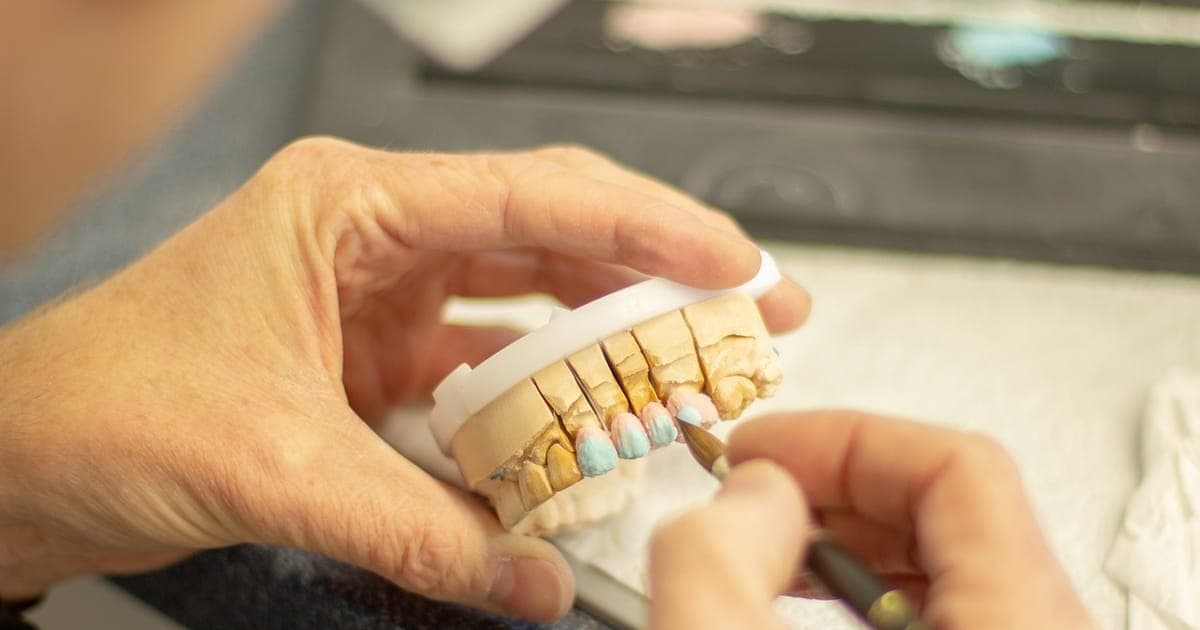
- Digital Smile Design (DSD) — gezichtsfotografie, AI-ondersteunde analyse en een 3D-mock-up die u goedkeurt voordat er iets wordt geprepareerd.
- Materiaalkeuze — het juiste keramiek voor de juiste tand, gekozen op translucentie, sterkte en hechtingseigenschappen.
- Minimaal invasieve preparatie — zo veel mogelijk natuurlijk glazuur behouden, de belangrijkste afzonderlijke factor voor het resultaat op lange termijn.
Het tijdperk waarin gezonde tanden tot stompjes werden afgeslepen voor dikke facings is voorbij. Een smile makeover in 2026 hoort het glazuur te sparen waar dat klinisch mogelijk is.
Het Digital Smile Design-proces
Voordat er met preparatie wordt begonnen, mag u een digitale mock-up van uw voorgestelde glimlach verwachten. Een zorgvuldig digitaal smile design omvat doorgaans:
- Foto's in hoge resolutie van uw gezicht in rust, lachend en en profil
- Een 3D-scan van uw huidige gebit (geen afdrukken met afdrukmassa)
- AI-ondersteunde gezichtsanalyse: lachlijn, middenlijn, verhoudingen volgens de gulden snede, zichtbaarheid van het tandvlees
- Een 3D-geprinte try-in-mock-up die tijdelijk wordt vastgezet, zodat u het voorgestelde resultaat 24–48 uur kunt zien en voelen
Wilt u aanpassingen — iets minder wit, een zachtere hoektand, rondere snijtanden — dan gebeurt dat in deze fase, op kunststof, voordat er keramiek wordt vervaardigd. Het definitieve keramiek wordt pas gemaakt zodra u de mock-up hebt goedgekeurd.
Materiaalkeuze — en wat die voor u betekent
Drie materialen domineren het moderne smile design:
Porseleinen facings (E-Max, Empress)
De meest translucente en natuurlijkst ogende optie. Het meest geschikt voor frontanden met gezond onderliggend glazuur. Vraagt minimale preparatie (vaak minder dan 0,5 mm). Bij goed onderhoud een mooie esthetiek op lange termijn. Minder geschikt voor mensen die tandenknarsen of voor patiënten met een sterke verkleuring die gemaskeerd moet worden.
Volkeramische kronen van lithiumdisilicaat (E-Max-kronen)
Een stap hoger in sterkte. Gebruikt voor achtertanden of wanneer er veel tandweefsel ontbreekt. Zeer esthetisch, maar iets minder doorschijnend dan ultradunne porseleinen facings.
Zirkoniakronen
De sterkste optie, ideaal voor achtertanden, bruggen en op implantaten. Modern meerlaags zirkonia met translucente snijranden heeft het esthetische verschil aanzienlijk verkleind. Zeer sterk en bestand tegen afbrokkelen, maar ten koste van iets minder translucentie dan E-Max.
Wat partnerklinieken doorgaans aanbevelen
Een typische volledige smile makeover combineert 8–10 porseleinen facings op de frontanden (van de hoektanden naar voren) met zirkoniakronen op de premolaren en molaren, waar extra sterkte waardevol is. Deze hybride aanpak geeft de meest natuurlijke esthetiek aan de voortanden en een hoge duurzaamheid waar u het hardst bijt.
Een overdreven ‘facing-look’ vermijden
Hier telt ervaring. Veelgemaakte fouten zijn:
- Te wit. B1 (de lichtste natuurlijke tint) is voor de meeste gezichten wit genoeg. Alles wat lichter is, ziet er op flitsfoto's uit als een kunstgebit.
- Te uniform. Natuurlijke tanden vertonen subtiele variatie. Perfect identieke breedte en kleur verraden direct ondermaats werk.
- Te lang. Lengte toevoegen zonder rekening te houden met lachlijn en middenlijn geeft een ‘paardentanden’-effect.
- Verkeerde vorm voor het gezicht. Vierkante tanden in een rond gezicht, of ovale tanden bij een hoekige kaak, zien er onmiskenbaar verkeerd uit.
Een goed uitgevoerd smile design houdt rekening met gezichtsvorm, leeftijd, geslacht, lipdynamiek en persoonlijkheid. Het doel is niet om elke patiënt er hetzelfde uit te laten zien, maar om iedere patiënt er als zichzelf uit te laten zien — op zijn of haar mooist.
Tijdlijn van de behandeling
Een complete Hollywood Smile (8–10 frontanden + kronen op de achtertanden) neemt doorgaans het volgende in beslag:
| Bezoek | Duur | Wat er gebeurt |
|---|---|---|
| Bezoek 1, dag 1 | 2 uur | Consult, scans, foto's, DSD-analyse |
| Bezoek 1, dag 2 | 1 uur | Try-in-mock-up tijdelijk vastgezet, beoordeling na 24 uur |
| Bezoek 1, dag 3 | 4 uur | Preparatie van de tanden, digitale afdrukken, tijdelijke voorzieningen |
| Bezoek 1, dag 5 | 2 uur | Definitief keramiek gepast, kleur en vorm gecontroleerd |
| Bezoek 1, dag 6 | 3 uur | Definitief vastzetten, polijsten, occlusale correctie |
| Bezoek 1, dag 7 | 30 min | Controle, polijsten, foto's |
Dat is één reis van 7 dagen naar Istanbul, waarbij behandeldagen worden afgewisseld met rust en toerisme. Bij een eenvoudige casus is geen tweede bezoek nodig.
Levensduur en verzorging
Porseleinen facings en zirkoniakronen kunnen bij goede verzorging vele jaren meegaan. De twee factoren die het sterkst samenhangen met een langere levensduur:
- Een nachtbeschermer (knarsbitje) dragen als u tandenknarst. Bruxisme is de grootste afzonderlijke bedreiging voor keramische restauraties.
- Uitstekende mondhygiëne thuis + elke 6 maanden naar de mondhygiënist. De hechtlijn tussen keramiek en tand is het zwakke punt — houd die schoon.
Kraak geen noten met uw tanden, open er geen flessen mee en kauw niet op ijs. Modern keramiek is veel beter bestand tegen verkleuring door koffie, thee en rode wijn dan natuurlijk glazuur, maar deze dranken kunnen de natuurlijke tand eromheen wel verkleuren — goede hygiëne bewaart dus de naadloze uitstraling.
Veelgestelde vragen
Worden mijn tanden tot stompjes afgeslepen?
Niet bij moderne preparatie. Bij facings op de frontanden wordt doorgaans 0,3–0,5 mm glazuur verwijderd — dunner dan een contactlens. Kronen vragen iets meer, maar dat is niet te vergelijken met de agressieve preparatie van 20 jaar geleden.
Is de behandeling pijnlijk?
Tijdens de preparatie krijgt u plaatselijke verdoving. De meeste patiënten ervaren 24–48 uur lichte gevoeligheid, goed onder controle te houden met paracetamol of ibuprofen. De tijdelijke voorzieningen dragen comfortabel tijdens de paar dagen tussen preparatie en definitief vastzetten.
Kan ik zien hoe ik eruit kom te zien voordat ik beslis?
Ja. De 3D-geprinte mock-up wordt tijdelijk vastgezet, zodat u uw voorgestelde nieuwe glimlach kunt dragen, fotograferen en ermee kunt eten — en hem kunt goedkeuren voordat er definitief keramiek wordt gemaakt.
Wat als het eindresultaat mij niet bevalt?
U keurt de mock-up goed voordat het keramiek wordt vervaardigd, en opnieuw bij het passen, vóór het definitief vastzetten. Deze goedkeuring in fasen is bedoeld om de kans te verkleinen op een ‘nu het definitief is, vind ik het toch niet mooi’-uitkomst.
Wat kost het?
Marktprijzen voor een complete glimlach met 8 porseleinen facings op de frontanden beginnen doorgaans rond €2.800, voor een volledige smile makeover met 8 frontanden + 12 achtertanden in zirkonia rond €5.500. Wat er in de prijs zit, verschilt per kliniek; vergelijk schriftelijke offertes daarom punt voor punt.
Wilt u een persoonlijke preview van uw digitale smile design? Stuur ons een foto waarop u lacht en een beschrijving van wat u wilt veranderen. Ons team neemt contact met u op met de volgende stappen.
Over dit artikel. Med World Türkiye is een onafhankelijke coördinatieservice voor medische reizen, gevestigd in Istanbul. Wij coördineren reizen met JCI-geaccrediteerde partnerziekenhuizen en bevoegde, bij de Turkse overheid geregistreerde artsen. Wij zijn geen zorgaanbieder, hebben geen zorgverleners in dienst en geven geen medisch advies. De bovenstaande informatie is uitsluitend bedoeld als algemene oriëntatie — klinische beslissingen over uw persoonlijke situatie moeten na een persoonlijk onderzoek met een bevoegde arts worden genomen. Prijzen, behandeltermijnen en resultaten verschillen per geval en worden bepaald door de behandelende partnerkliniek.