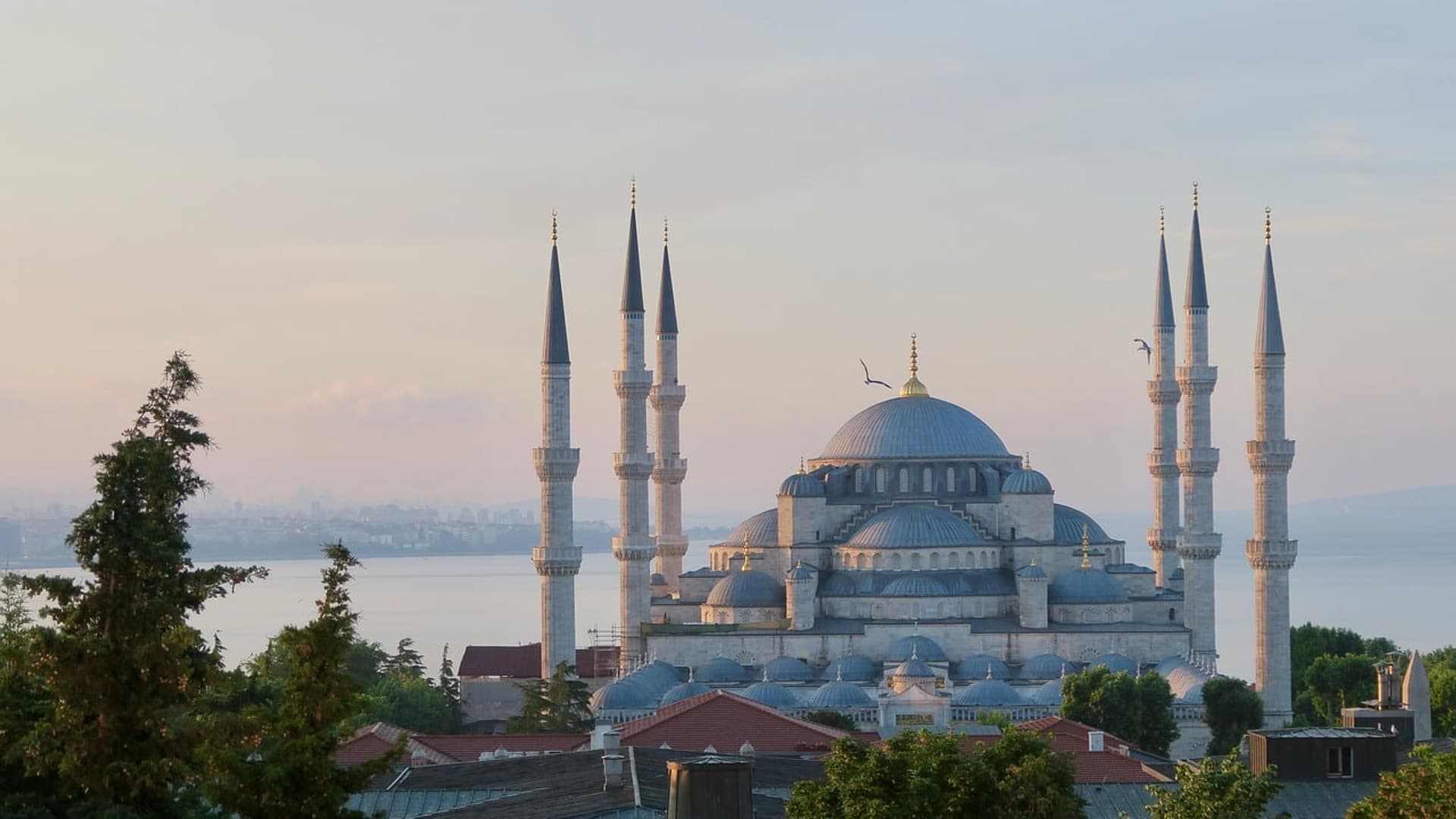
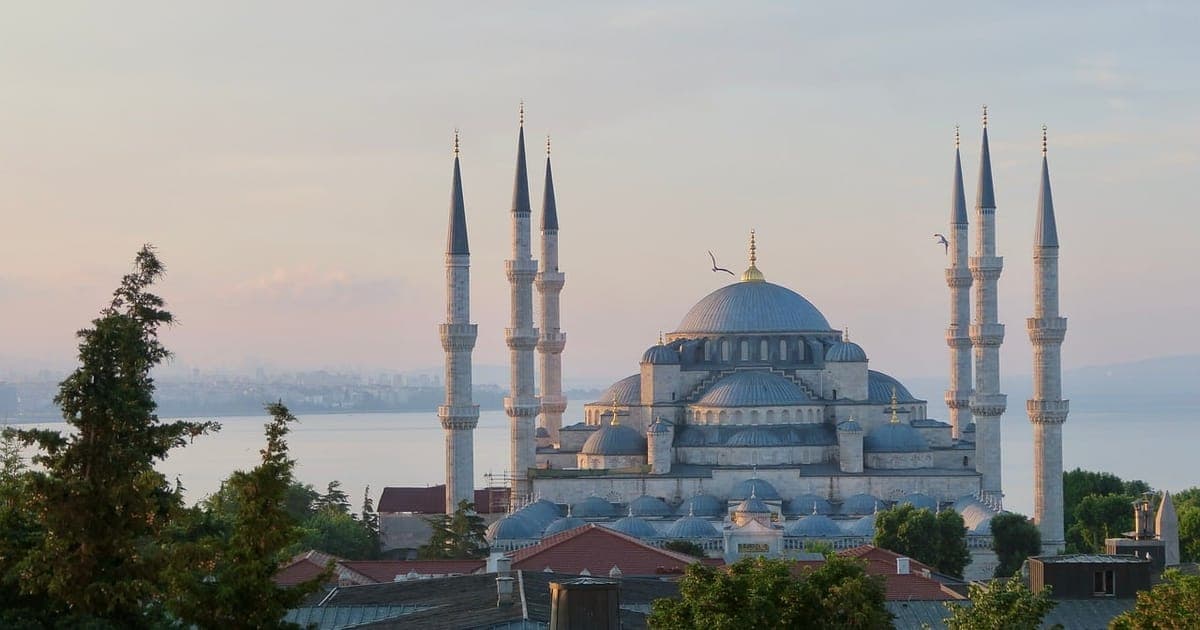
En 2026, Estambul es un destino consolidado para el turismo médico internacional. Pacientes de Londres, Berlín, Riad, Nueva York y Moscú eligen Estambul no porque sea la opción más barata (ya no lo es, se mire como se mire), sino porque ofrece una sólida relación entre excelencia clínica y coste total.
Este artículo explica las razones estructurales del atractivo de Estambul como destino de turismo sanitario y lo que está cambiando en 2026.
Las tres fuerzas que confluyen en Estambul
Tres fuerzas independientes han confluido en Estambul durante la última década:
1. Una apuesta tecnológica agresiva
Los hospitales privados turcos han invertido mucho en robótica quirúrgica, diagnóstico digital y técnicas mínimamente invasivas. Muchos grandes hospitales privados disponen ya de sistemas de cirugía robótica Da Vinci, plataformas de prótesis articulares con brazo robótico MAKO y unidades de radiocirugía CyberKnife. La combinación de una generosa inversión privada, una visión nacional del turismo sanitario y la presión competitiva entre los grandes grupos privados ha dado lugar a una amplia infraestructura.
2. Una experiencia del paciente cada vez más madura
Esta es la revolución menos valorada. Hace veinte años, el «turismo médico» consistía en un vuelo, una intervención y la esperanza de que todo saliera bien. En el Estambul de 2026, la experiencia del paciente está diseñada al detalle: los coordinadores multilingües y los hospitales con acreditación JCI forman parte de ella, y se pueden organizar los traslados desde el aeropuerto, el alojamiento en hotel y el seguimiento a distancia. El presupuesto por escrito del hospital asociado detalla exactamente qué incluye —por ejemplo, noches de hotel, traslados, seguimiento y seguro—, así que revíselo punto por punto antes de viajar. La intervención es un paso más dentro de un itinerario gestionado que empieza con una consulta digital y continúa con el seguimiento cuando usted vuelve a casa.
3. La madurez regulatoria y de acreditación
Turquía cuenta hoy con un gran número de hospitales con acreditación JCI, el seguro de turismo sanitario como parte de su marco regulatorio y la regulación de los proveedores de turismo médico por parte del Ministerio de Sanidad, con el apoyo de USHAŞ, organismo vinculado al Ministerio. Es un mercado regulado y no informal, lo que cambia radicalmente el perfil de riesgo para los pacientes internacionales.
A qué vienen realmente los pacientes
Los pacientes viajan a Estambul para una amplia variedad de tratamientos. Algunas de las principales categorías en 2026:
Cirugía ortopédica robótica: una categoría en crecimiento
La prótesis de rodilla y de cadera asistida por brazo robótico es una categoría en crecimiento, y los grandes hospitales privados de Estambul han acumulado una experiencia considerable en ella. Los programas de recuperación intensificada buscan que el paciente se levante y camine con ayuda poco después de la cirugía, a menudo el mismo día o el siguiente, según cada persona y las indicaciones del cirujano.
Odontología digital
Diseño digital de sonrisa, rehabilitaciones completas de circonio, implantes All-on-4/6/8 y tratamientos estéticos en el mismo viaje. Muchas clínicas dentales de Estambul trabajan con un flujo digital, desde el escaneo intraoral hasta el fresado CAD/CAM en la propia clínica.
Urología y ginecología con Da Vinci
Cirugía robótica de próstata, de riñón y de cánceres ginecológicos, realizada por cirujanos con experiencia en cirugía robótica.
Injerto capilar
Las técnicas FUE zafiro y DHI han convertido Estambul en un destino consolidado para el trasplante capilar. La opción DHI «sin rapar», en particular, atrae a profesionales que necesitan una recuperación discreta.
Rinoplastia y cirugía estética
En especial la rinoplastia ultrasónica (piezoeléctrica), que requiere un equipamiento muy especializado y experiencia por parte del cirujano. Estambul se ha convertido en una opción muy elegida para esta cirugía.
Segundas opiniones oncológicas
Radiocirugía CyberKnife, IMRT con TrueBeam y revisión multidisciplinar en comités de tumores para pacientes internacionales que buscan una segunda valoración en casos difíciles.
La ecuación de costes en 2026
Un error frecuente es pensar que Turquía es el destino de turismo sanitario más barato. No lo es, y hace ya varios años que no lo es. Europa del Este, México y Tailandia ofrecen precios de partida más bajos por intervención.
Lo que ofrece Estambul es una buena relación entre coste total y calidad:
| Destino | Coste del tratamiento (p. ej., implante dental) | Calidad | Experiencia del paciente |
|---|---|---|---|
| Europa del Este | Más bajo | Variable, menos centros JCI | Irregular |
| México | Más bajo | Sólida en las ciudades fronterizas | Limitada geográficamente |
| Tailandia | Comparable | Excelente infraestructura JCI | Excelente, vuelos más largos |
| Turquía (Estambul) | Intermedio | Muchos hospitales JCI | Sólida |
| Reino Unido / Alemania | Más alto | Excelente | Largas listas de espera |
| EE. UU. | Mucho más alto | Excelente | Coste asistencial elevado |
Para muchos pacientes de Europa Occidental y Norteamérica, Turquía es una opción de alta calidad que sigue suponiendo un ahorro significativo. Estambul también atrae a pacientes que repiten la experiencia del turismo médico: personas que probaron primero un destino más barato y decidieron invertir en una experiencia mejor.
La ventaja geográfica y cultural
Estambul tiene además una ventaja geográfica práctica: está a unas 4 horas de Londres, 3 horas de Fráncfort, 3 horas de Moscú y 4,5 horas de Dubái. Hay vuelos directos desde una gran variedad de destinos internacionales. La ciudad en sí es un gran centro cultural, lo que significa que el periodo de recuperación resulta realmente agradable y no simplemente llevadero.
El componente cultural también es importante. La hospitalidad turca es famosa por su generosidad, y el sector del turismo médico se ha apoyado sistemáticamente en una tradición de atender a los huéspedes con un trato personal. La experiencia emocional de recibir tratamiento en Estambul —la acogida, la calidez, el seguimiento que puede organizarse durante su estancia— puede resultar cualitativamente distinta de lo que los pacientes han vivido en otros lugares.
Qué está cambiando en 2026
Varias tendencias marcarán el próximo año:
Diagnóstico asistido por inteligencia artificial
Algunos hospitales de Estambul han empezado a utilizar herramientas de inteligencia artificial como apoyo al diagnóstico radiológico (análisis de nódulos pulmonares en TAC de tórax, análisis de próstata por resonancia magnética, cribado mamográfico), y algunos servicios internacionales de segunda opinión también las utilizan.
Longevidad y medicina preventiva
Está surgiendo en Estambul una nueva generación de «clínicas de longevidad» que ofrecen pruebas genéticas, perfiles avanzados de biomarcadores y programas personalizados de medicina preventiva. Esto se está convirtiendo en un motivo de viaje por sí mismo: pacientes que vuelan para una evaluación de longevidad de 3 días en lugar de para una intervención concreta.
La cirugía robótica se extiende a nuevas especialidades
Más allá de la urología y la cirugía ortopédica, las plataformas robóticas se utilizan ya en cirugía torácica, cardiotorácica, otorrinolaringológica y en determinadas cirugías de cáncer ginecológico. El volumen de casos en estos campos está aumentando la experiencia de los cirujanos.
Medicina regenerativa
Terapias con células madre, PRP y exosomas, por ahora mayoritariamente electivas, sobre todo para indicaciones ortopédicas y estéticas. La regulación de estas terapias varía de un país a otro.
Qué buscar en una clínica
Si está valorando Estambul para su tratamiento, estos son los criterios que de verdad importan:
- Acreditación JCI del hospital donde se realizará la cirugía
- Seguro de turismo sanitario: pregunte si su presupuesto por escrito lo incluye y qué cubre
- Credenciales del cirujano: título de especialista, formación internacional, historial de publicaciones revisadas por pares
- Volumen de casos específico de su intervención: pida cifras
- Precios transparentes y desglosados: cirugía, hospital, hotel, traslados, seguimiento
- Coordinación multilingüe en su propio idioma
- Programa de seguimiento postoperatorio: como mínimo 6 meses, idealmente 12
Una clínica que titubee en cualquiera de estos puntos es una clínica que conviene evitar. Una clínica que le ofrezca todos ellos por escrito, antes de que usted los pida, merece ser tenida en cuenta.
Preguntas frecuentes
¿Sigue siendo Estambul una buena opción calidad-precio en 2026?
Una buena relación calidad-precio, sí, si se tiene en cuenta el coste total (intervención + viaje + recuperación) y la calidad del resultado. El precio de partida más bajo por intervención, no, y eso es cada vez más cierto.
¿Hay barreras idiomáticas?
No en el circuito para pacientes internacionales. Los grandes hospitales y los proveedores serios de turismo médico cuentan con coordinadores que hablan inglés, alemán, francés, español, italiano, neerlandés, ruso, árabe y griego. En los grandes hospitales privados, el inglés está muy extendido entre el personal médico.
¿Es segura la situación política y económica para viajar por motivos médicos?
Estambul recibe millones de visitantes internacionales cada año, incluido un volumen significativo de viajes de negocios y por motivos médicos. Se aplican las precauciones habituales de cualquier viaje. El sector del turismo médico cuenta con apoyo en todo el espectro político y se ha mantenido notablemente estable a pesar de los cambios de gobierno.
¿Seguiré recibiendo seguimiento después de volver a casa?
Sí, pero pregunte por ello antes de reservar. Muchas clínicas ofrecen seguimiento por telemedicina con videoconsultas programadas; su presupuesto por escrito debe indicar cuánto dura el seguimiento y qué incluye.
Si desea valorar Estambul como destino para su tratamiento —o compararlo concretamente con otra alternativa que esté considerando—, indíquenos la intervención que le interesa y nuestro equipo de coordinación le enviará una comparativa por escrito elaborada con información de nuestras clínicas asociadas, que incluye sus precios de forma transparente y criterios de calidad comparables.
Sobre este artículo. Med World Türkiye es un servicio independiente de coordinación de viajes de salud con sede en Estambul. Coordinamos viajes con hospitales asociados acreditados por la JCI y con médicos con licencia registrados ante el Gobierno turco. No somos un proveedor médico, no empleamos a profesionales sanitarios y no ofrecemos asesoramiento médico. La información anterior se ofrece solo a título orientativo general; las decisiones clínicas sobre su caso concreto deben tomarse con un médico colegiado tras una evaluación personal. Los precios, los plazos de tratamiento y los resultados varían en cada caso y los determina la clínica asociada que realiza el tratamiento.